
- Home
- Chapel plan
- Walls
- Paintings
- Making facsimiles
- Recording colour
- Front room
- Passage
- Rear room
- General view
- Wall 12, Biography, figure of Bes and bed-making scene
- Wall 13, carrying funerary goods
- Wall 14, Offering scene
- Wall 15, Senneferi before Anubis
- Wall 16, libation and offering scenes, procession of offering bearers
- Wall 17, Osiris hymn?
- Pillar A East, receiving New Year's offerings
- Pillar A North, offering list
- Pillar A West, text
- Pillar A South, text
- Pillar B East, text
- Pillar B North, text
- Pillar B West, text
- Pillar B South, text
- North abacus, cobra
- South abacus, cobra
- Ceilings
- Conservation
- Slideshow
- Site general
The colours in the tomb
The subject of recording the colours of painting is a difficult one. Many techniques have been used over the years, ranging from simple verbal descriptions ("red", "blue"), through colour charts (usually Munsell), to the use of colourimeters. The latter technique was adopted by our mission in the late 1980s, and this, and the ways in which colour can be analysed and many of the problems can be found in two articles I wrote:
- 'An objective colour-measuring system for the recording of Egyptian tomb paintings', Journal of Egyptian Archaeology 77 (1991), 43-56.
- 'Problems of recording and publication of paintings in the Private Tombs of Thebes', in W.V. Davies (ed), Colour and painting in Ancient Egypt (London 2001), 126-140.
To give readers an idea of the variability of the different colours, I have reduced the classification via a process of reduction described in my articles using the NBS colour names (K.L. Kelly and D.B. Judd, Color. Universal Language and Dictionary of Names (US National Bureau of Standards 1976)). The following are the main colours, with their frequency among the measurements.
| blue | 14 | 2.20% | Patch |
| brown | 277 | 43.10% | Patch |
| gray | 115 | 17.90% | Patch |
| green and olive | 64 | 10.00% | Patch |
| orange | 29 | 4.50% | Patch |
| pink | 92 | 14.30% | Patch |
| red | 28 | 4.40% | Patch |
| white | 1 | 0.20% | Patch |
| yellow | 23 | 3.60% | Patch |
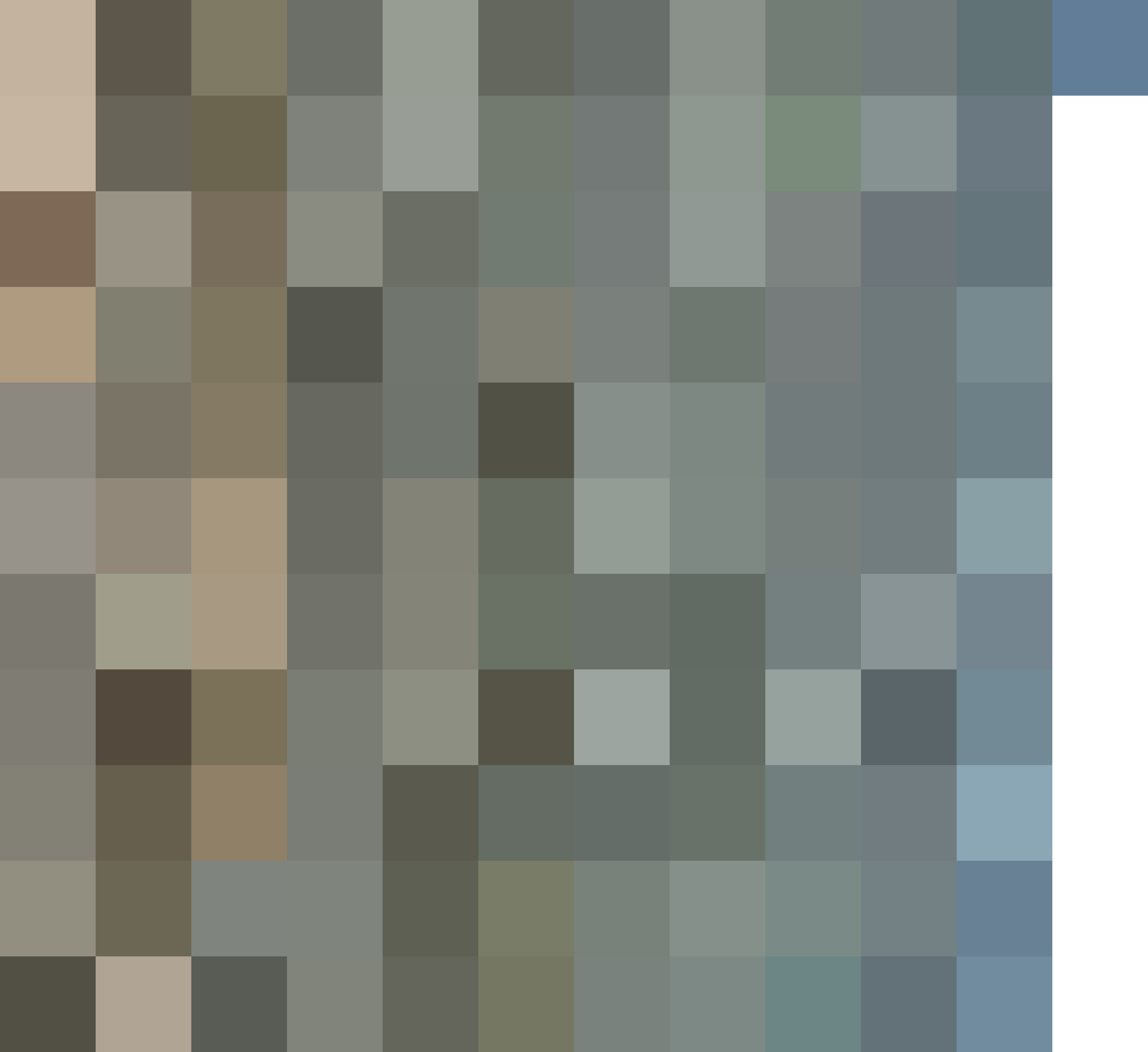
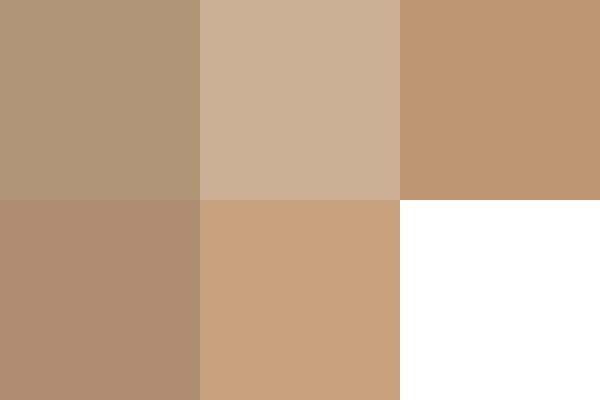
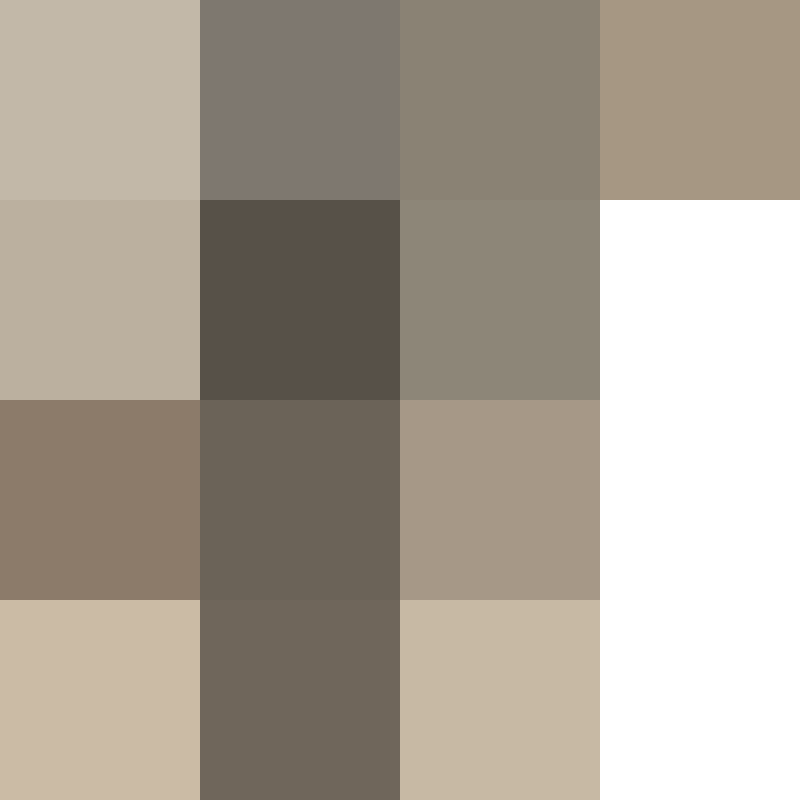
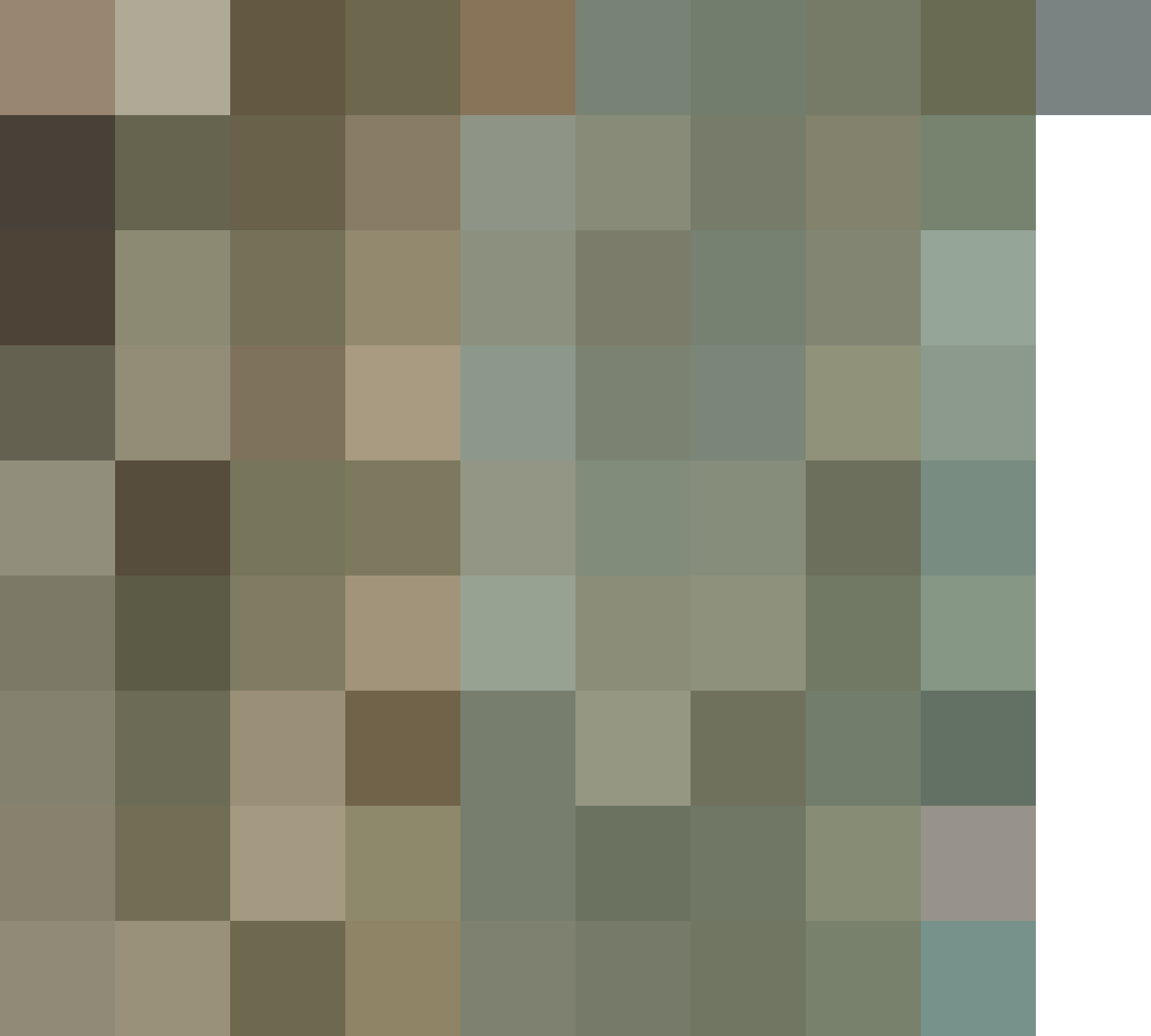
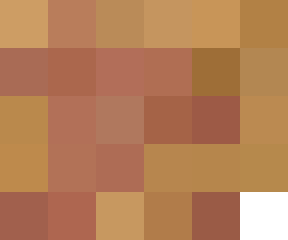
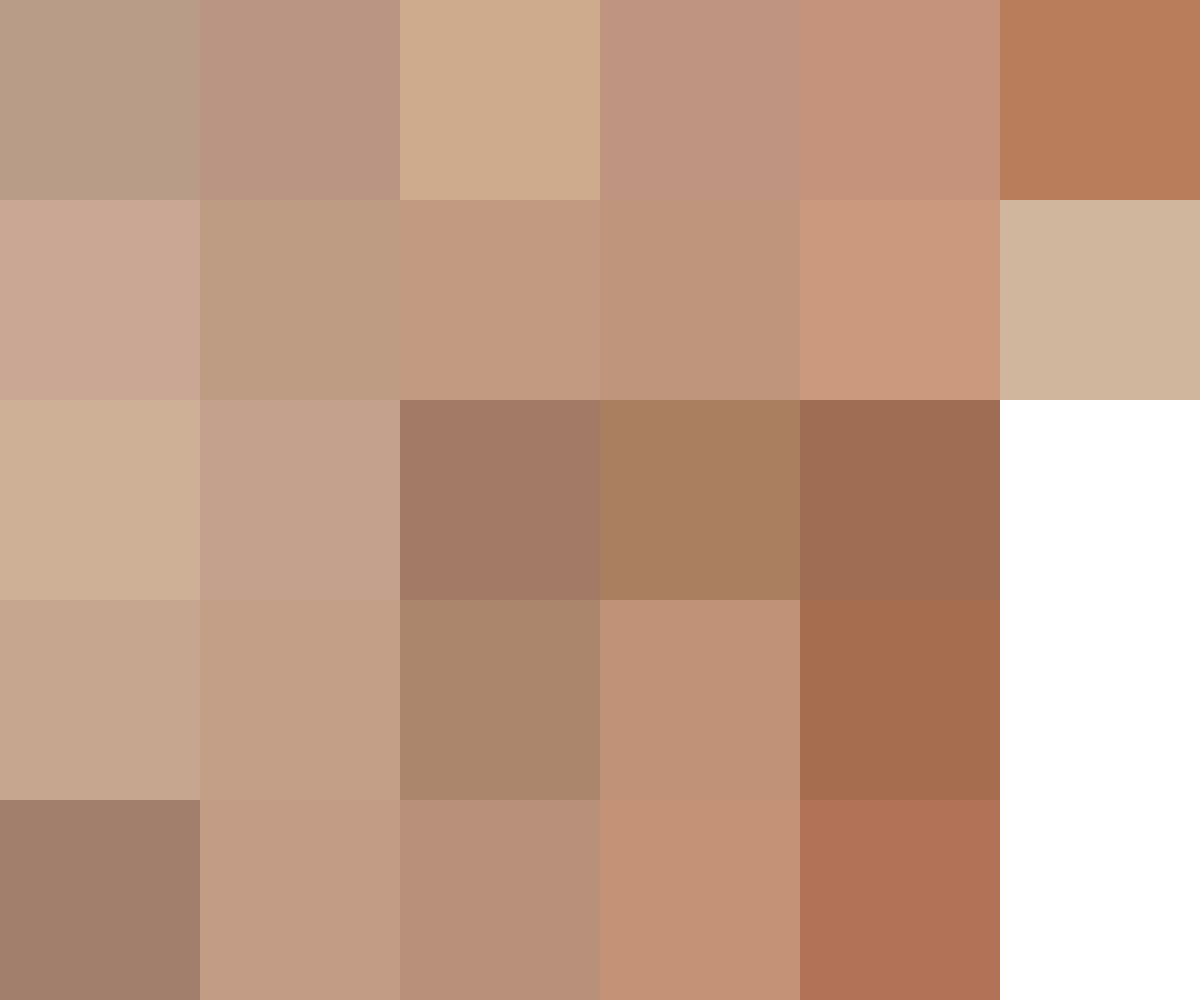
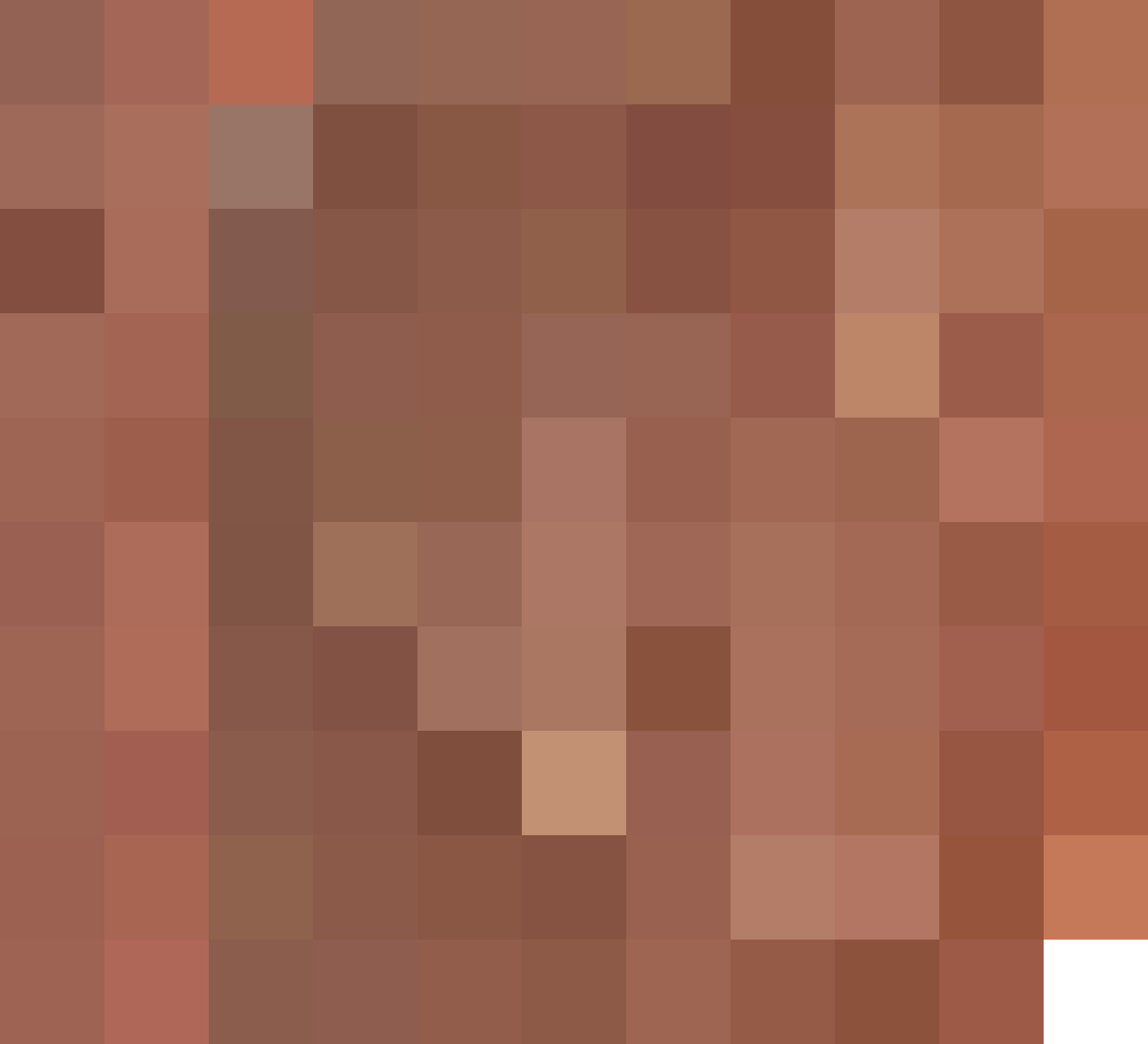
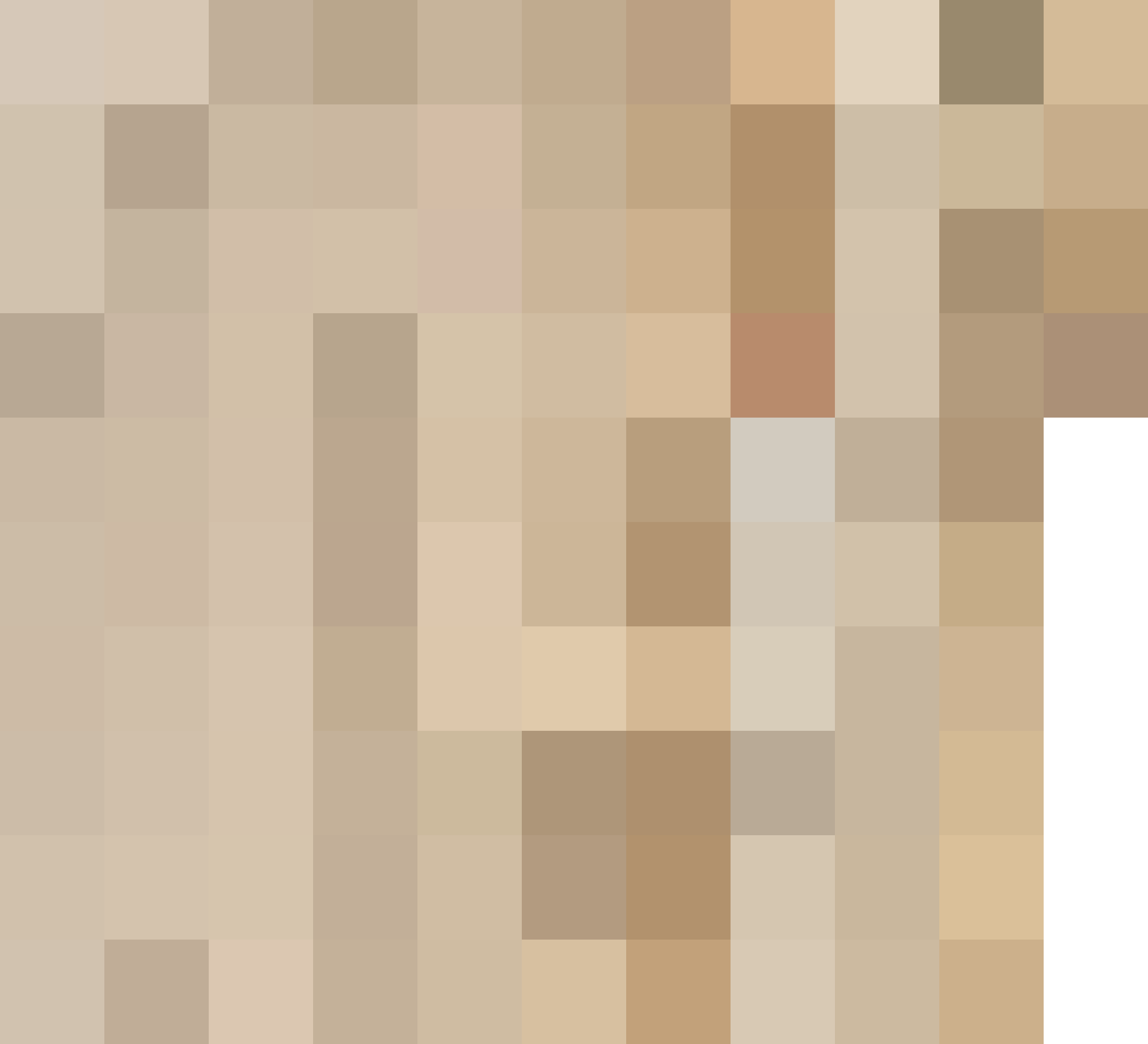
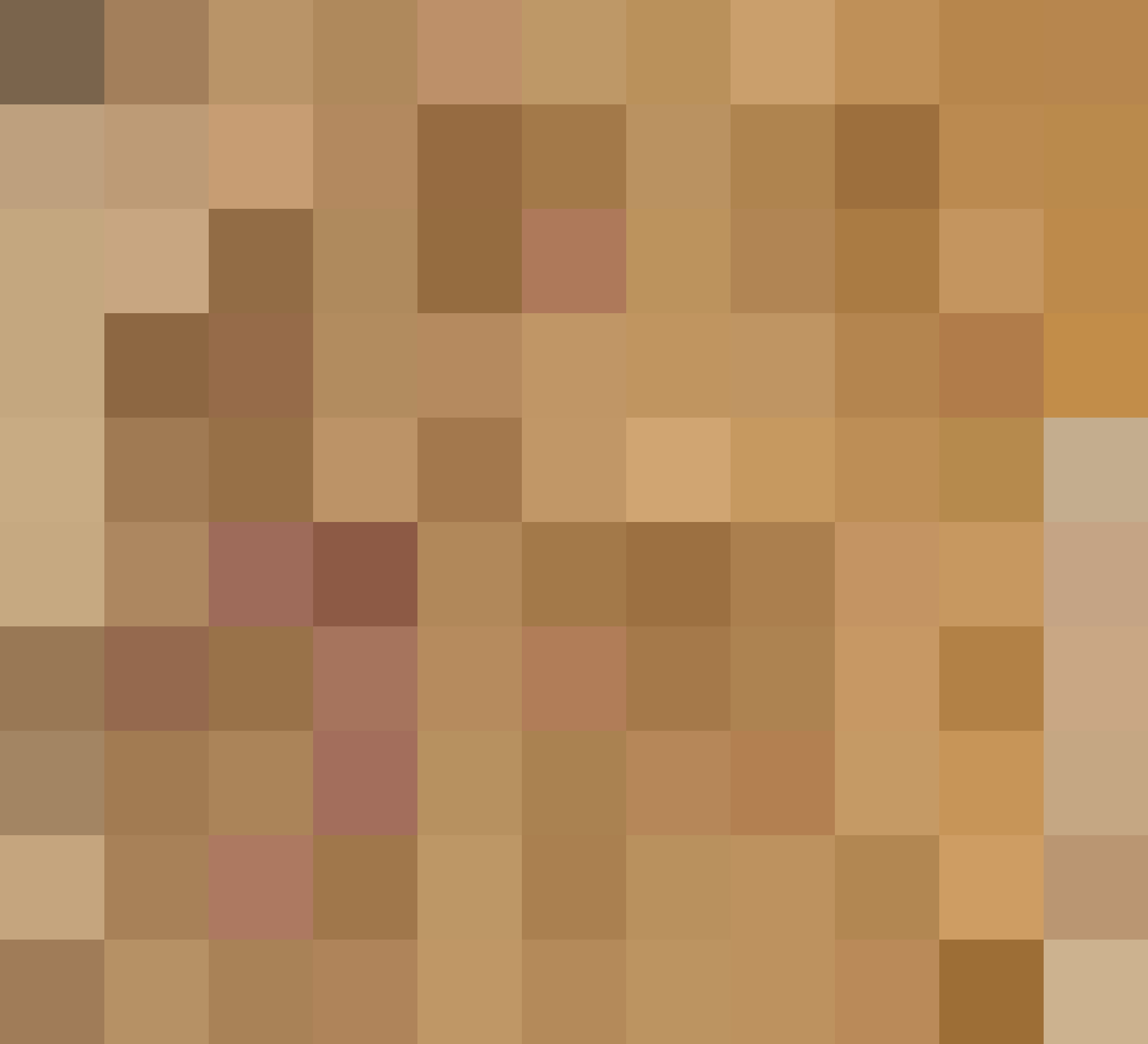
To enable the visualisation of the variability of these colours, I have produced Patch Diagrams using Patchtool software. I link to diagrams of each in the table above. These files are generated from a CGATS file, exported from the Filemaker Pro database which contains the colour readings. A sample file is below.
CGATS.17
MEASUREMENT_SOURCE "Illumination=C ObserverAngle=2 WhiteBase=Abs Filter=Unknown"
ILLUMINATION_NAME "C"
OBSERVER_ANGLE "2"
MEASUREMENT_CONDITION "Unknown"
WEIGHTING_FUNCTION "ILLUMINANT, C"
WEIGHTING_FUNCTION "OBSERVER, 2 degree"
KEYWORD "DEVCALSTD"
DEVCALSTD "Unknown"
#
BEGIN_DATA_FORMAT
SAMPLE_ID SAMPLE_NAME XYY_X XYY_Y XYY_CAPY
END_DATA_FORMAT
BEGIN_DATA
636 Brown 0.3708 0.3612 31.63
629 Brown 0.3797 0.361 29.17
117 Light_brown 0.3600 0.3500 45.0000
116 Light_brown 0.3830 0.3640 38.8100
118 Light_brown 0.3890 0.3660 33.9200
© Nigel Strudwick 1997-2018